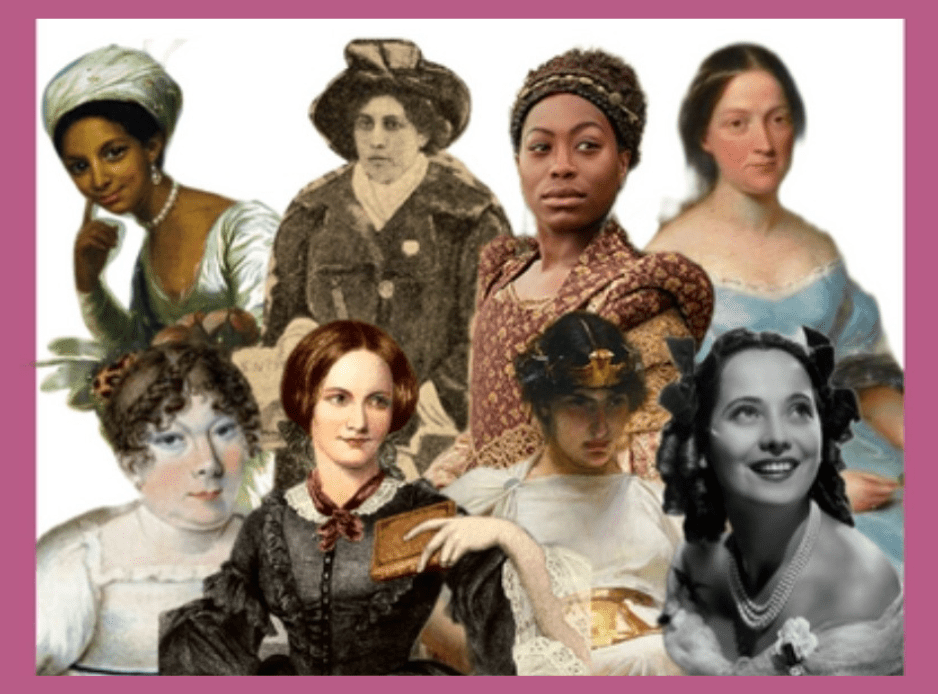
Women have always had important roles, from those who were working class to literal queens. They have always had a place in history yet are so often overlooked. There are so many historical women who have such fascinating stories and so many of my personal favourites. To celebrate Women’s History Month and International Women’s Day, I am going to share eight of my favourite historical women.
1. Charlotte Brontë
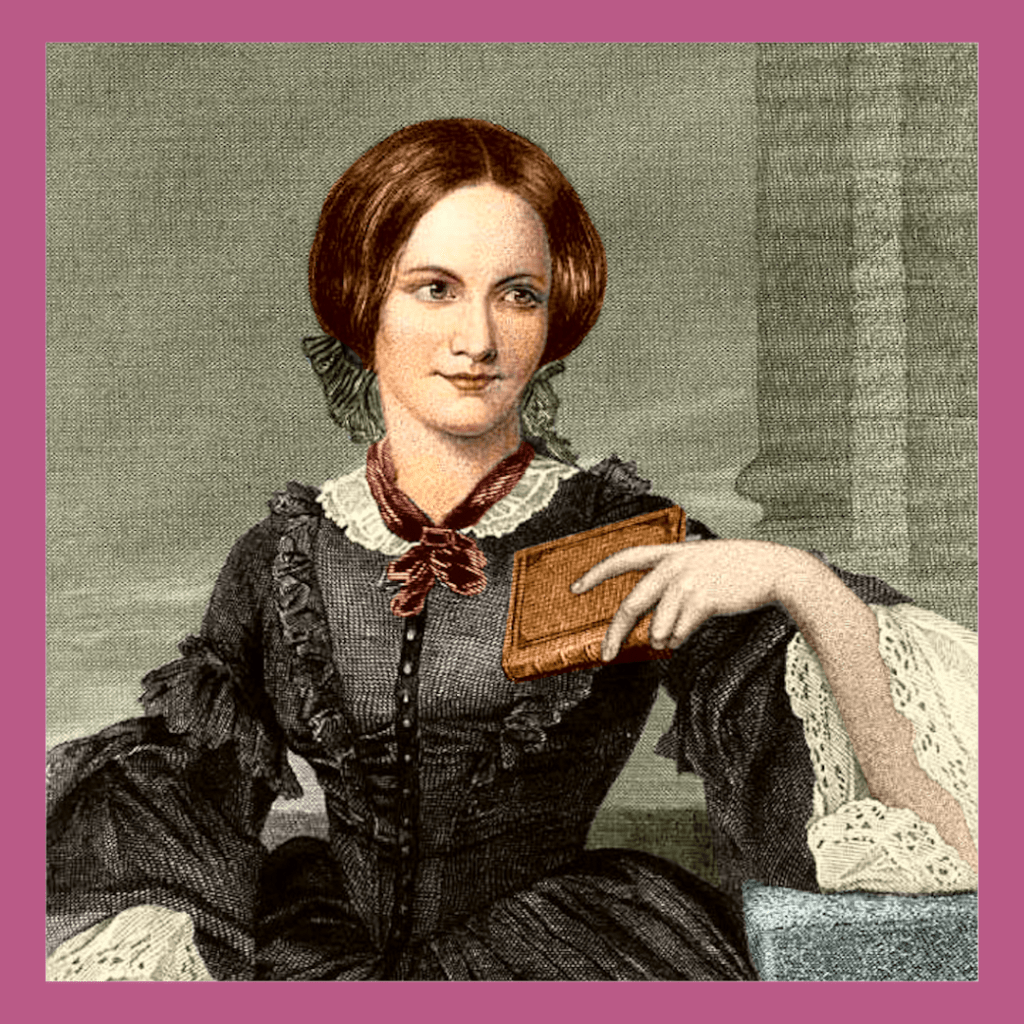
There are many reasons why Charlotte Brontë is one of my favourite authors. Both her and her sisters broke boundaries by being published writers. Although Charlotte is controversial in some ways (revealing the truth behind Currer, Ellis, and Acton Bell after her sisters’ death for one thing), she was still able to publish more books under her real identity. She poured a lot of her own experiences, feelings, and grief into her writing, and reading her books almost feels like being able to know the real Charlotte.
2. Cleopatra
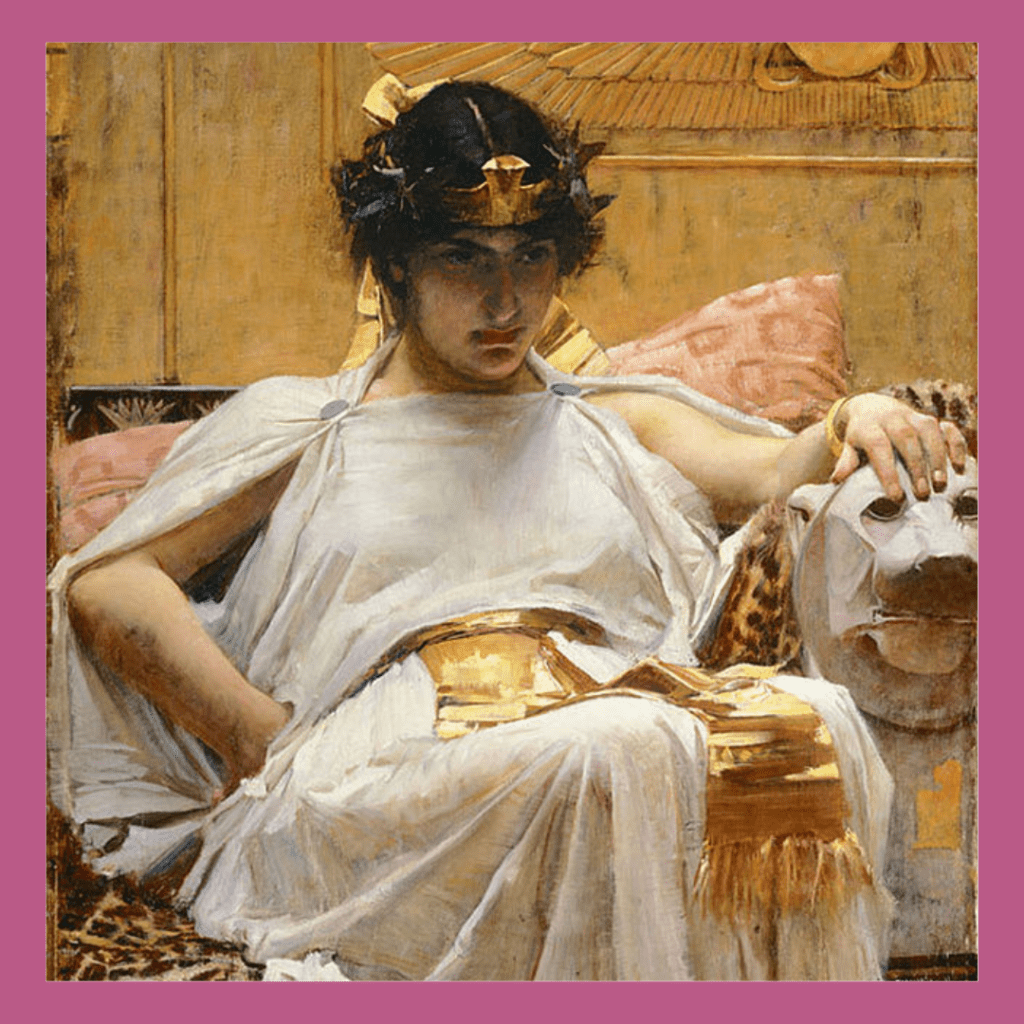
Okay, this one feels a little bit cliché and typical, but Cleopatra is one of my favourites for reasons which people may not infact know! The former Egyptian queen is typically portrayed as being a seductress. Roman sources, in particular, do not look at her kindly. However, Arabic sources portray a different Cleopatra. One who was extremely intelligent and a skilful scientist and builder. The way Arabs report on her is extremely enlightening and refreshing, considering how slut-shamed she has been, and by reading them, you see Cleopatra in a whole new light.
3. Dido Belle
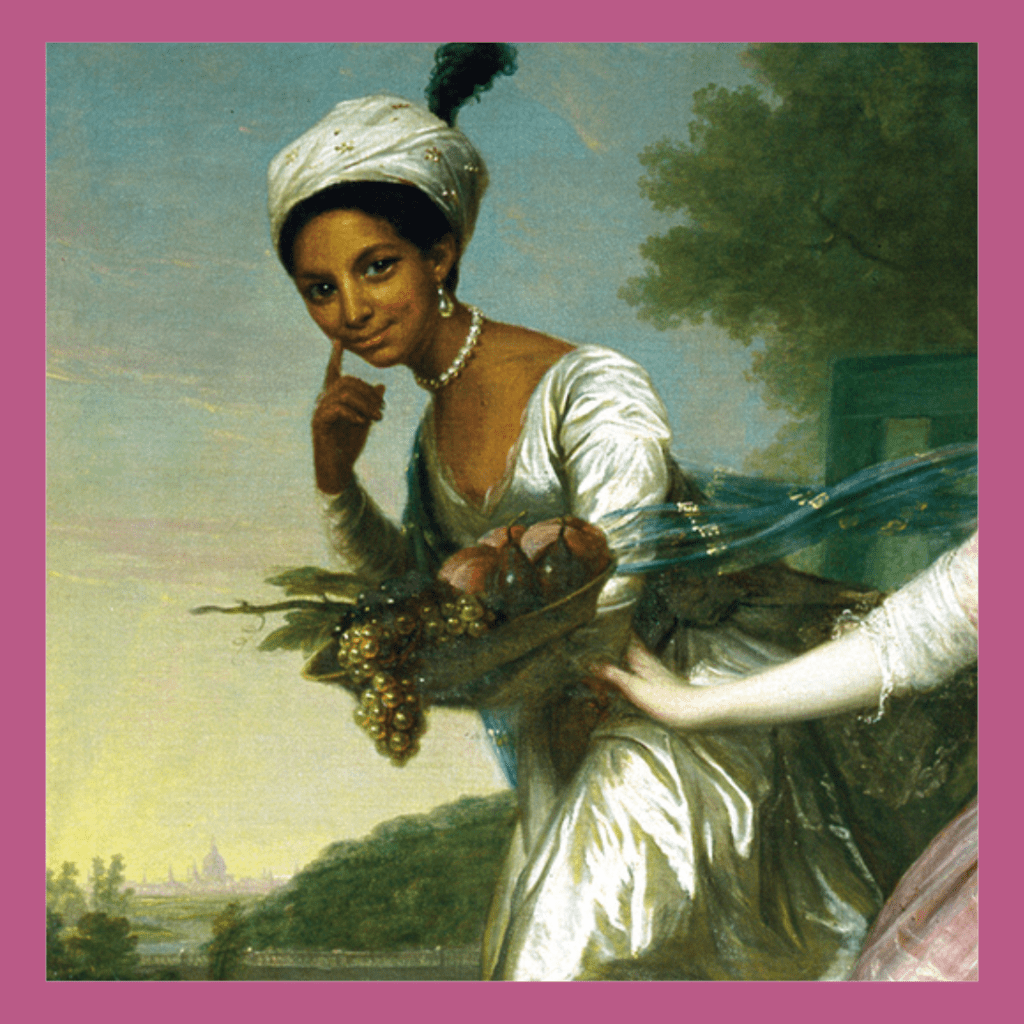
Dido Belle is just one example of a free Black woman in the Georgian period. Not only was she free, but she lived at Kenwood House under the guardianship of the Earl and Countess of Mansfield – her great-aunt and great-uncle. The portrait above is a very unique one as it shows her being equal to her companion and cousin, Lady Elizabeth Murray.
3. Mary Shelley
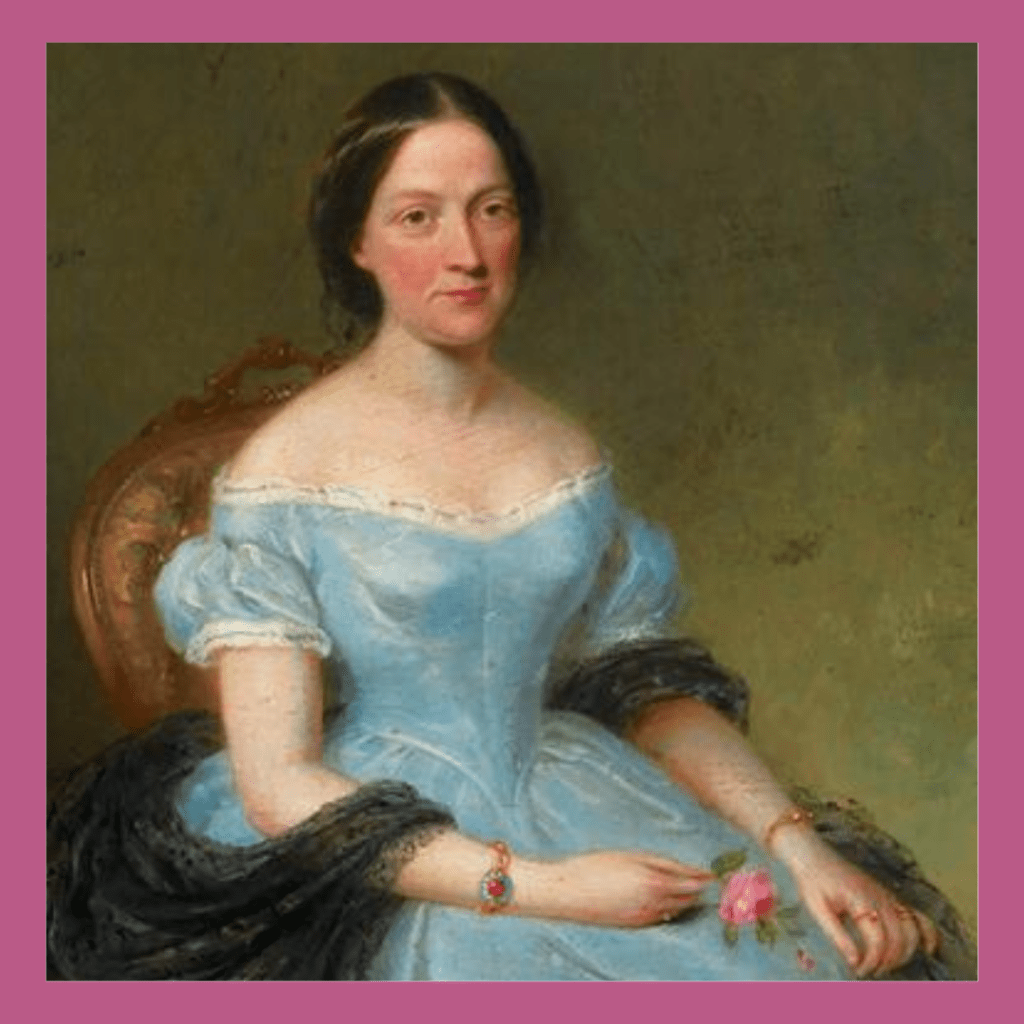
As with Charlotte Brontë, Mary Shelley also broke boundaries by being a published author. Her book Frankenstien is known by some to be the birth of science fiction novels and was famously written after Byron, John William Polidori and Percy Shelley began a competition as to who could write the best horror story. Similar to Brontë, Mary also brought her grief into her writing after losing her mother, half-sister, and her children.
4. Sophia Duleep Singh
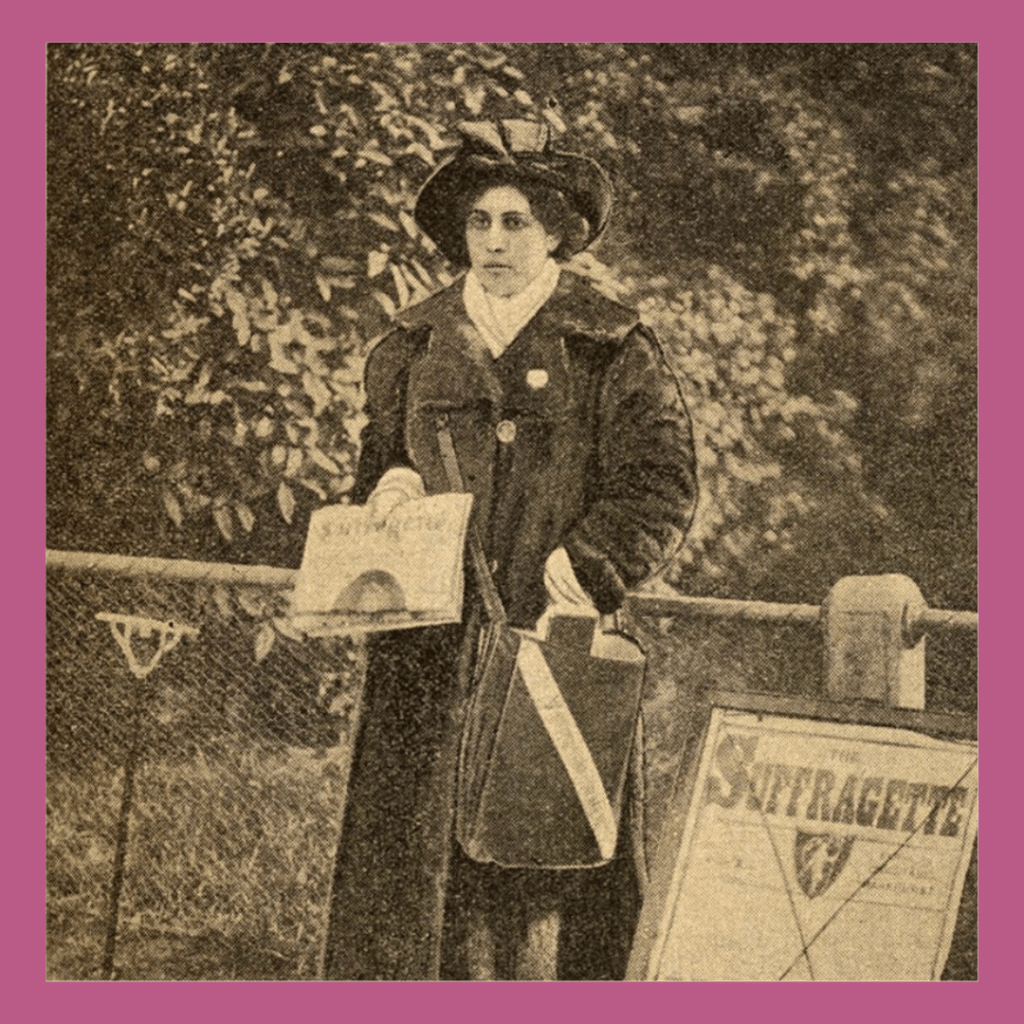
When we think of the suffragettes, we often think of women such as Emmeline Pankhurst. I know that I have often thought about the suffragettes being solely white women, but Sophia was an Indian princess (you can learn more about her in a previous article) who fought for women’s right to vote! She certainly changed my perspective of the suffragettes, and it’s fantastic to learn that Black and Brown women were a part of this cause!
5. Sarah Biffin
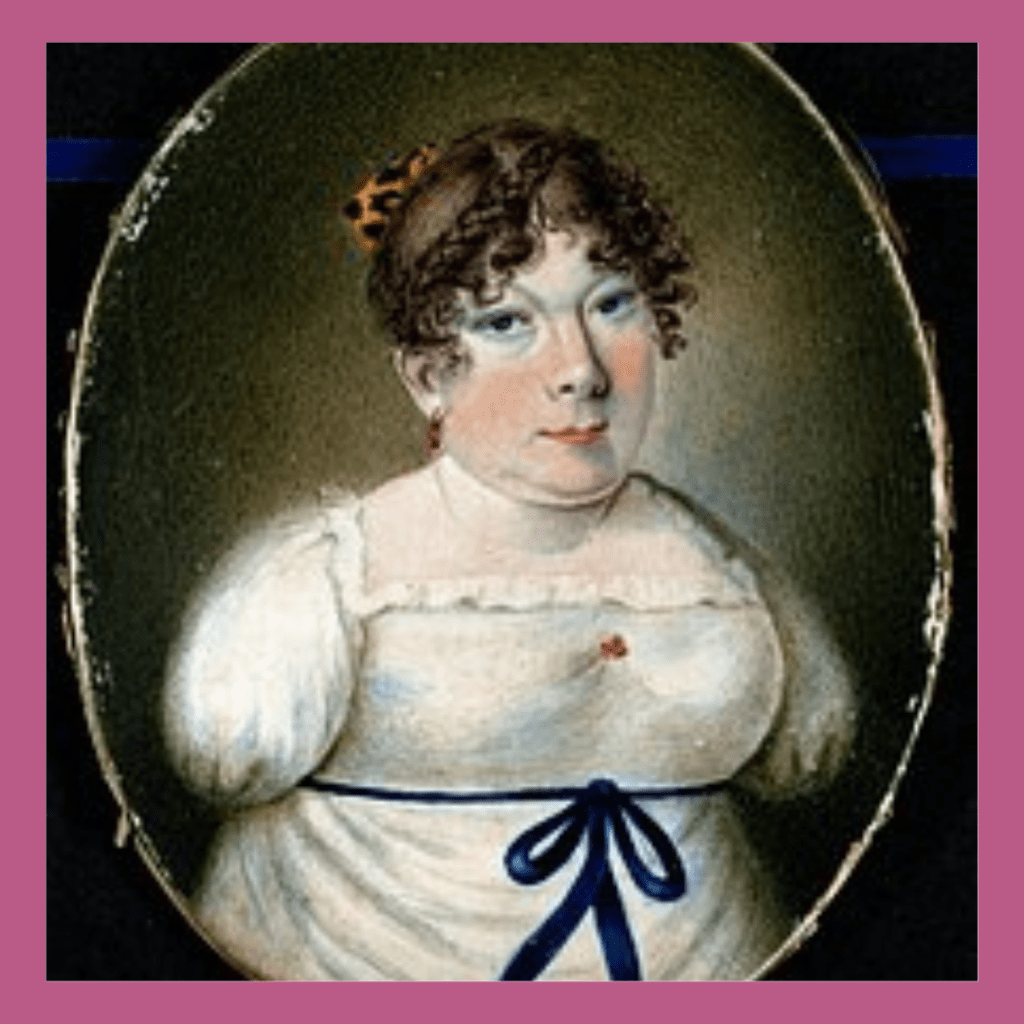
I have only recently heard about Sarah Biffin, but she is such a fascinating woman! She was born with no arms and underdeveloped legs and learnt to write using her mouth and later learnt how to paint. She commissioned paintings, and Queen Victoria even awarded her a pension of £12 per year!
6. Catalina of Motril
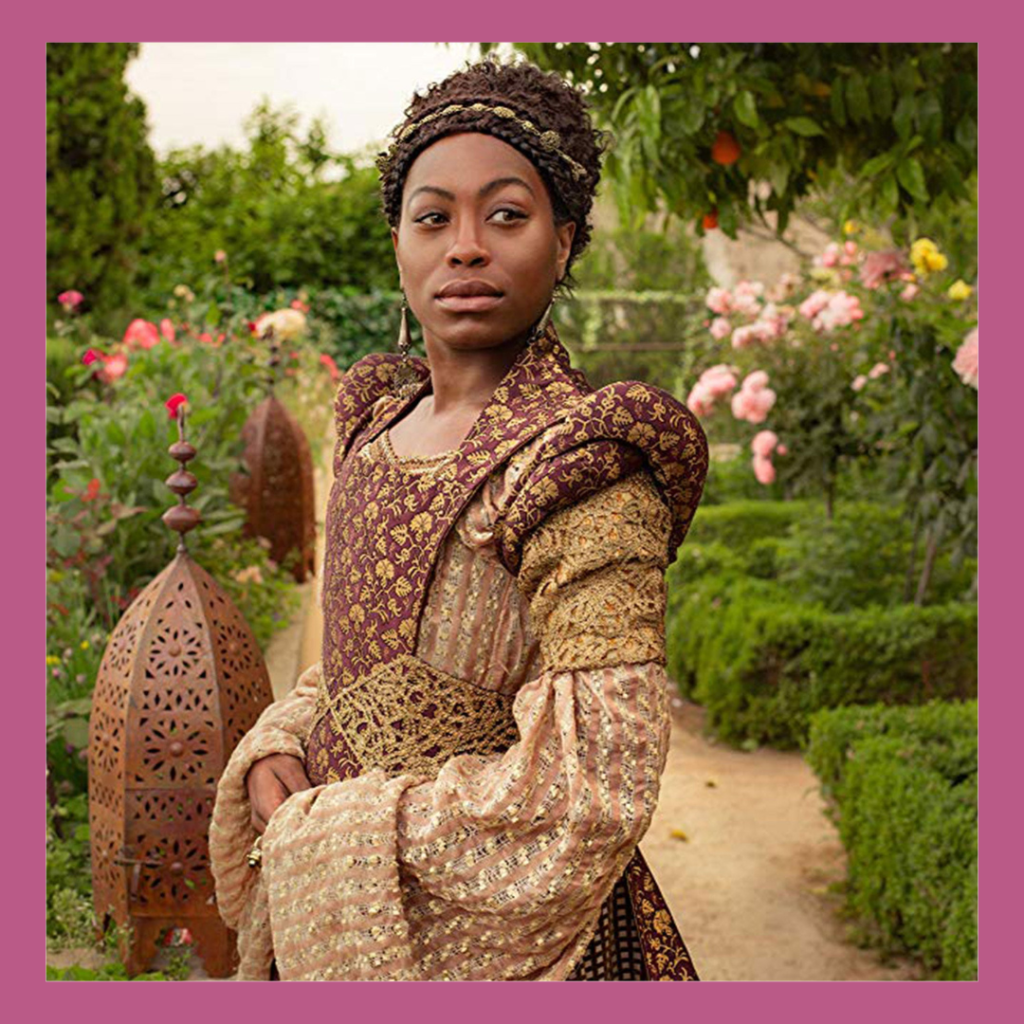
Catalina of Motril was potentially a lady in waiting to Katherine of Aragon. Not much is known about her other than the fact she was by Katherine’s side as she came to England and possibly even knew the truth about the consummation between Katherine and Prince Arthur. Catalina is just one example of Black women in the Tudor period!
8. Merle Oberon
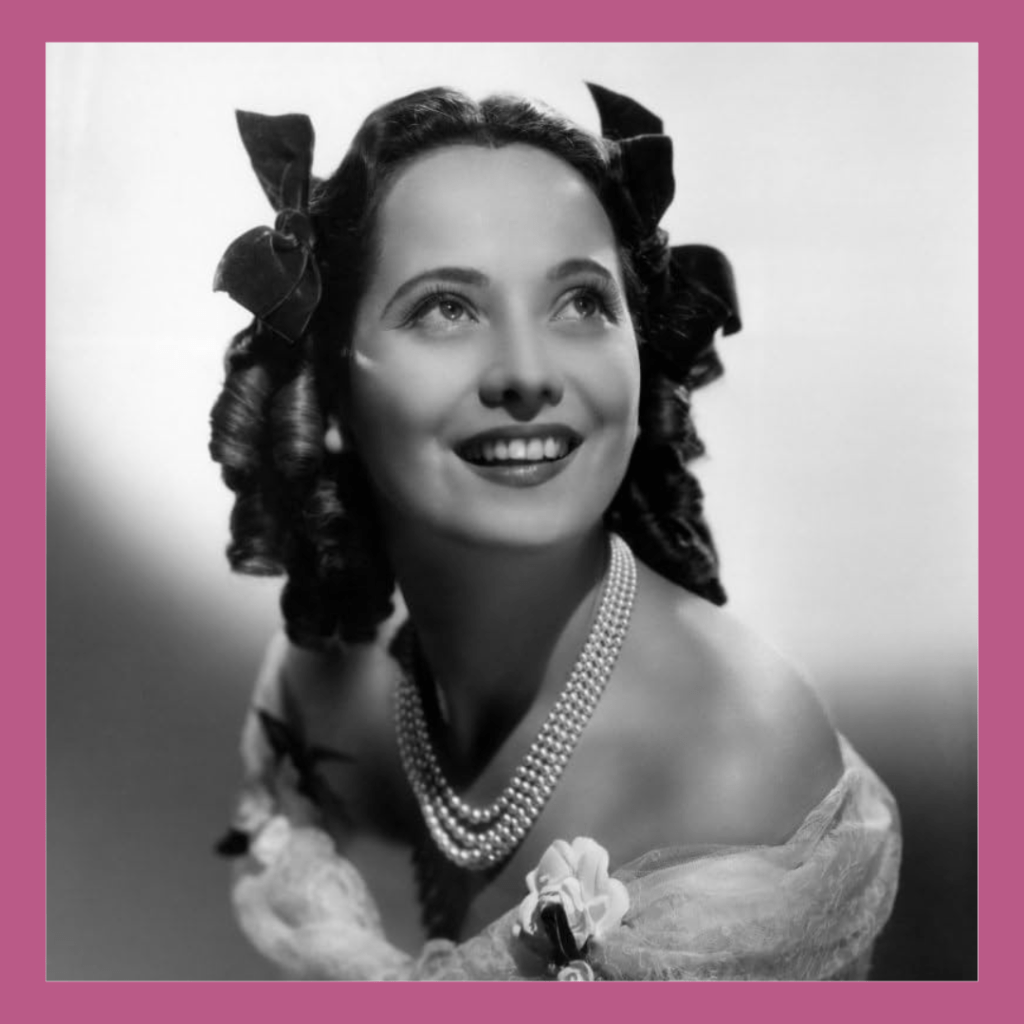
I think it’s safe to say that Merle Oberon is my Roman empire. She was the first South Asian woman to be nominated for an Oscar as Best Actress. I love her films, and one of my favourites is Wuthering Heights (1939). Merle actually kept her true identity hidden throughout her life, and the truth was only revealed after her death (you can read more about her in a previous article). She is one of the lesser known Old Hollywood stars, but she was so talented.
All of these women have broken boundaries and expectations in some ways. For many of them, this was not something they intended to do, they simply just wanted to live their lives. This is a powerful thing about women in history and why we should continue to remember and celebrate them no matter who they are!
 Hidden History by Eesha
Leave a comment