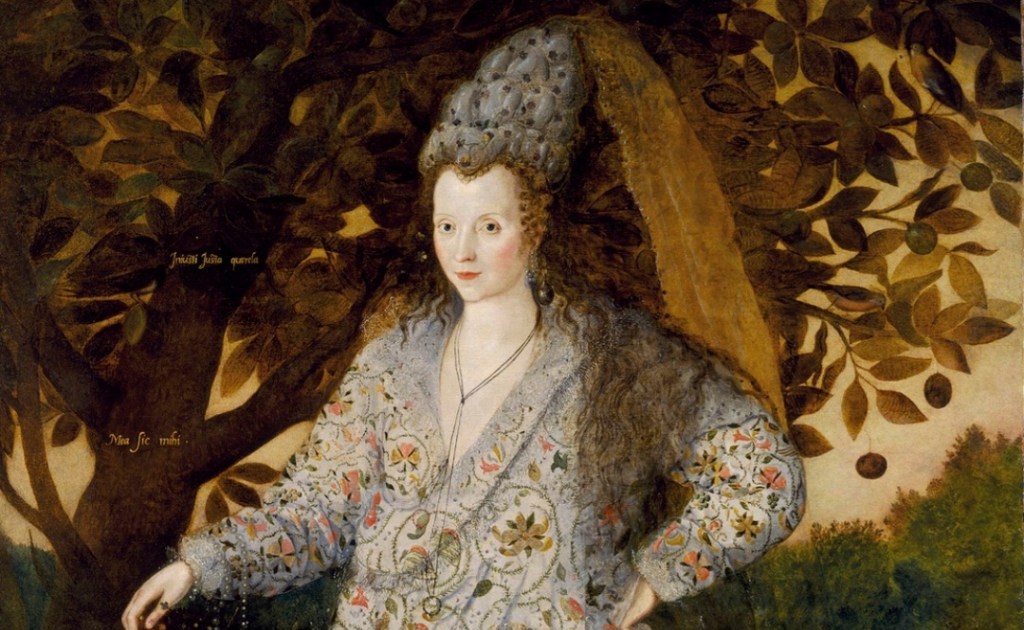
Aura Soltana/Ippolyta is believed to have been the first Muslim woman in Tudor England. She is believed to have been an enslaved Tartar (a Turkic ethnic group) from Russia who was brought to England in the mid-late 1500s where she possibly became a lady-in-waiting to Queen Elizabeth I.
Although the circumstances of why she was brought to England are unknown, she was taken by British trader Antony Jenkinson, who was one of the first Englishmen to explore Russia. The name Aura Soltana was also given to her by Jenkinson. In July 1561, she was christened, received gifts from the Queen, and welcomed within her courts. From that point onwards, she received countless items of clothing. As Tracy Borman mentioned in her book The Private Lives of The Tudors, it was common for Tudor Kings and Queens to pass on (or gift) clothing to members of court.
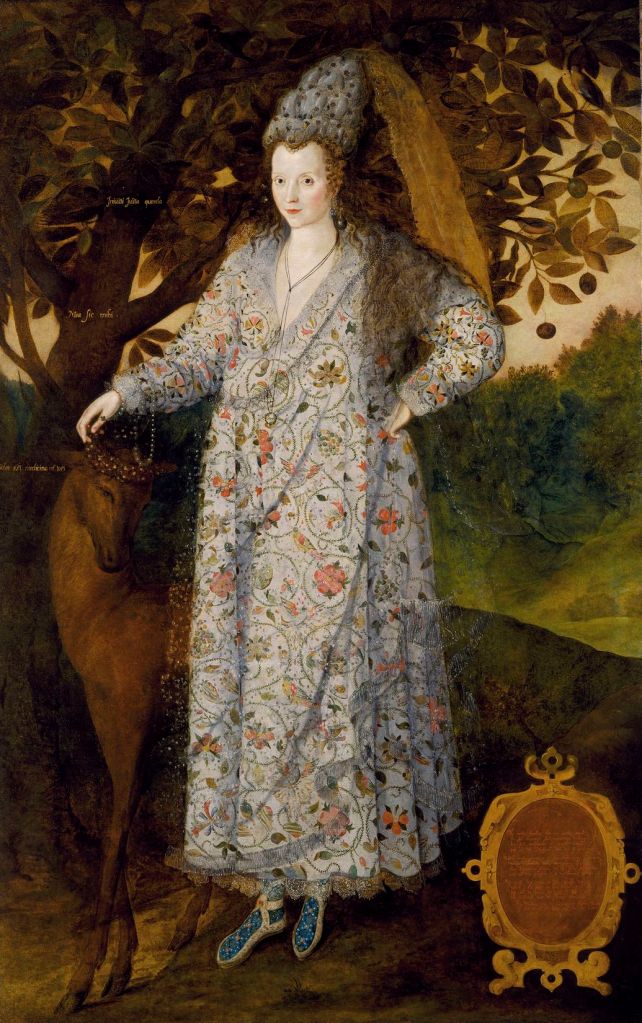
Unfortunately, very little is known about Aura Soltana/Ippolyta, who she was and what her life was like in England. There is also no confirmation that the portrait above is her, but it is a possibility due to the Persian clothes the woman is wearing. Being welcomed into the royal court, it is easy to imagine that she led a good life. But there is a sense of loss with her story as her real name was erased, and another was imposed on her by a white merchant. Questions are also raised about how/why she came to England. Did she consent and come willingly? Was she forcibly taken? If she was enslaved in her homeland, how did Jenkinson interact with her enslaver?
One resource states that she was a diplomatic representative of the Kazakh State which is an intriguing find, but it contradicts claims that she was enslaved. There also does not seem to be evidence to back up this claim. One of the resources I have linked below is from a PhD student who has conducted research into Aura. Therefore, the information related to her being enslaved and brought to England (rather than a diplomat) is likely more accurate.
Either way, her story is significant to Tudor England. Research is ongoing into her life and I hope more can be found!
References:
 Hidden History by Eesha
Leave a comment